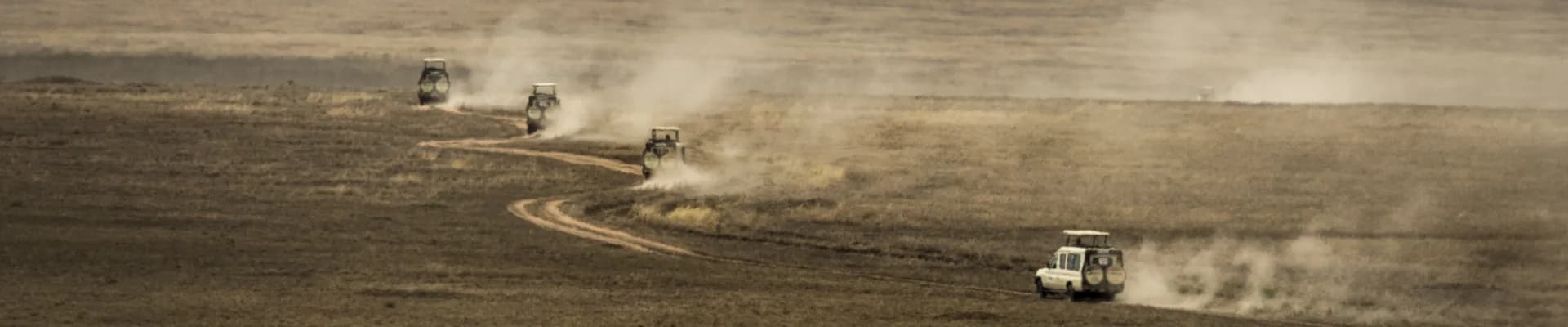
Tanzania Destinations
From the legendary Serengeti to pristine beaches, discover the diverse landscapes and incredible wildlife of East Africa
Explore East Africa
Discover the diverse national parks and reserves across Tanzania
Africa's Premier Safari Destination
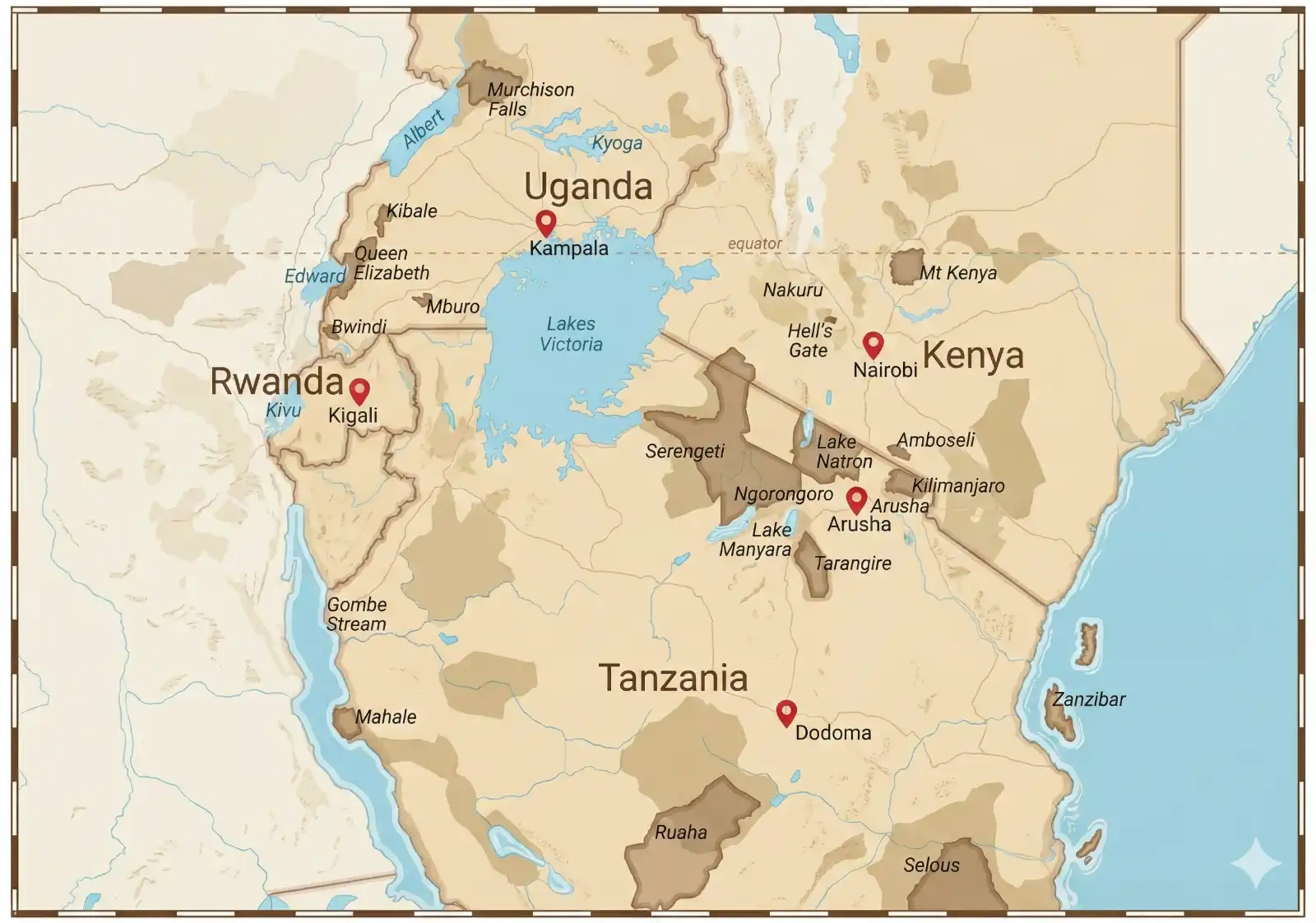
Tanzania offers Africa's most diverse and iconic safari experiences, from the legendary wildebeest migration in the Serengeti to intimate beach escapes on Zanzibar's pristine shores. Whether you dream of tracking mountain gorillas in Uganda, witnessing the Big Five in Ngorongoro Crater, or exploring remote wilderness in Ruaha National Park, Tanzania's national parks and reserves deliver unforgettable wildlife encounters year-round.
Our comprehensive destination guide covers the Northern Circuit (Serengeti, Ngorongoro, Tarangire, Lake Manyara, Arusha National Park), the untouched Southern Circuit (Ruaha, Mahale Mountains), Uganda's primate sanctuaries (Bwindi, Kibale, Queen Elizabeth), and coastal paradise islands. Each destination offers unique wildlife, landscapes, and experiences - from the Great Migration's drama to intimate chimpanzee encounters in ancient rainforests.
Tanzania Safari Circuits Explained
Choose your adventure based on experience level, time, and wildlife priorities
Northern Circuit
Tanzania's most popular safari region featuring Serengeti, Ngorongoro Crater, Tarangire, Lake Manyara, and Arusha National Park. Best for first-time visitors with excellent infrastructure, year-round accessibility, and guaranteed Big Five sightings.
- Great Migration (July-October)
- 150,000+ annual visitors
- Year-round access
- Excellent lodges & camps
Southern Circuit
Remote wilderness areas including Ruaha and Mahale Mountains. Perfect for experienced safari-goers seeking authentic, uncrowded adventures with exceptional predator viewing including wild dogs and massive elephant herds.
- Just 5,000-10,000 visitors/year
- Wild dog capital (Ruaha)
- Seasonal (June-November)
- Fly-in only access
Uganda Extensions
Combine Tanzania wildlife safaris with Uganda's mountain gorillas and chimpanzees. Bwindi, Kibale, and Queen Elizabeth National Parks offer primate encounters unavailable in Tanzania, plus tree-climbing lions and boat safaris.
- Mountain gorilla trekking
- Chimpanzee tracking (95% success)
- Tree-climbing lions (Ishasha)
- Combine with Tanzania safaris
How to Choose Your Safari Destinations
Expert guidance for planning the perfect Tanzania safari itinerary
For First-Time Safari Visitors
Focus on the Northern Circuit combining Serengeti, Ngorongoro Crater, and Tarangire for a comprehensive 7-10 day experience. This region offers the best infrastructure, guaranteed Big Five sightings, year-round accessibility, and iconic African landscapes. Most itineraries spend 2-3 nights in Serengeti (the migration's heart), 1 night at Ngorongoro rim lodges, and 1-2 nights in Tarangire for massive elephant herds beneath ancient baobabs.
How Many Destinations Should You Visit?
For 7-10 day safaris, 3-4 destinations provide the ideal balance of wildlife diversity and quality time in each park. Spending 2-3 nights per destination allows multiple morning and afternoon game drives without exhausting travel days. Avoid cramming 5+ parks into short trips - you'll spend more time driving than viewing wildlife. Our expert guides help you select destinations matching your priorities, whether that's big cats, elephants, rare species, or specific migration timing.
Combining Safari with Beach
Tanzania uniquely offers world-class safaris and pristine beach escapes in one country. After 5-7 days tracking wildlife, extend your adventure with 3-5 nights on Zanzibar - just 90 minutes by flight from Arusha. Stone Town's UNESCO heritage, spice tours, and powder-white beaches create the perfect safari-beach combination. This pairing is especially popular with honeymooners and families seeking diverse experiences.
Serengeti National Park
Northern Tanzania
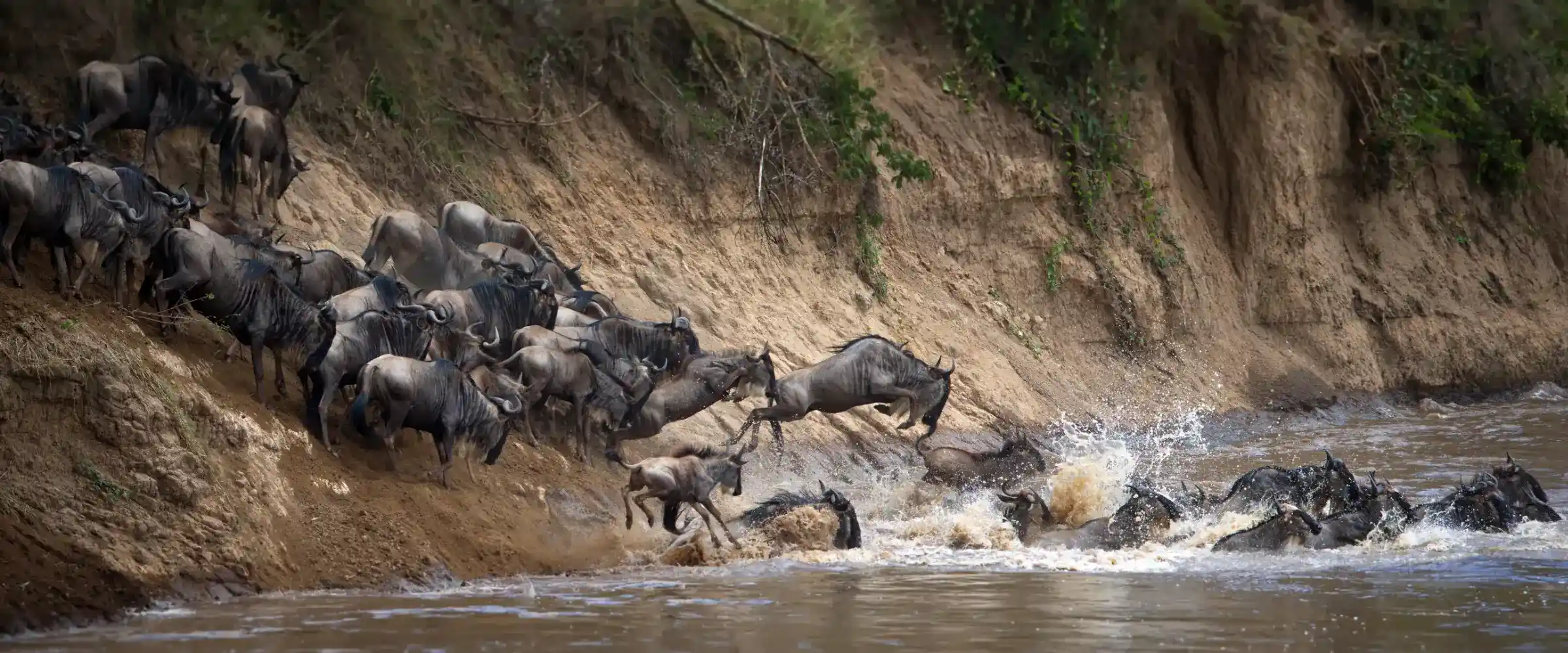
Witness the world's greatest wildlife spectacle as 2 million wildebeest, zebras, and gazelles migrate across endless plains in search of fresh grazing. The Serengeti, meaning 'endless plains' in Maasai, is Tanzania's oldest and most renowned national park, covering 14,750 square kilometers of pristine wilderness.
Ngorongoro Crater
Northern Tanzania
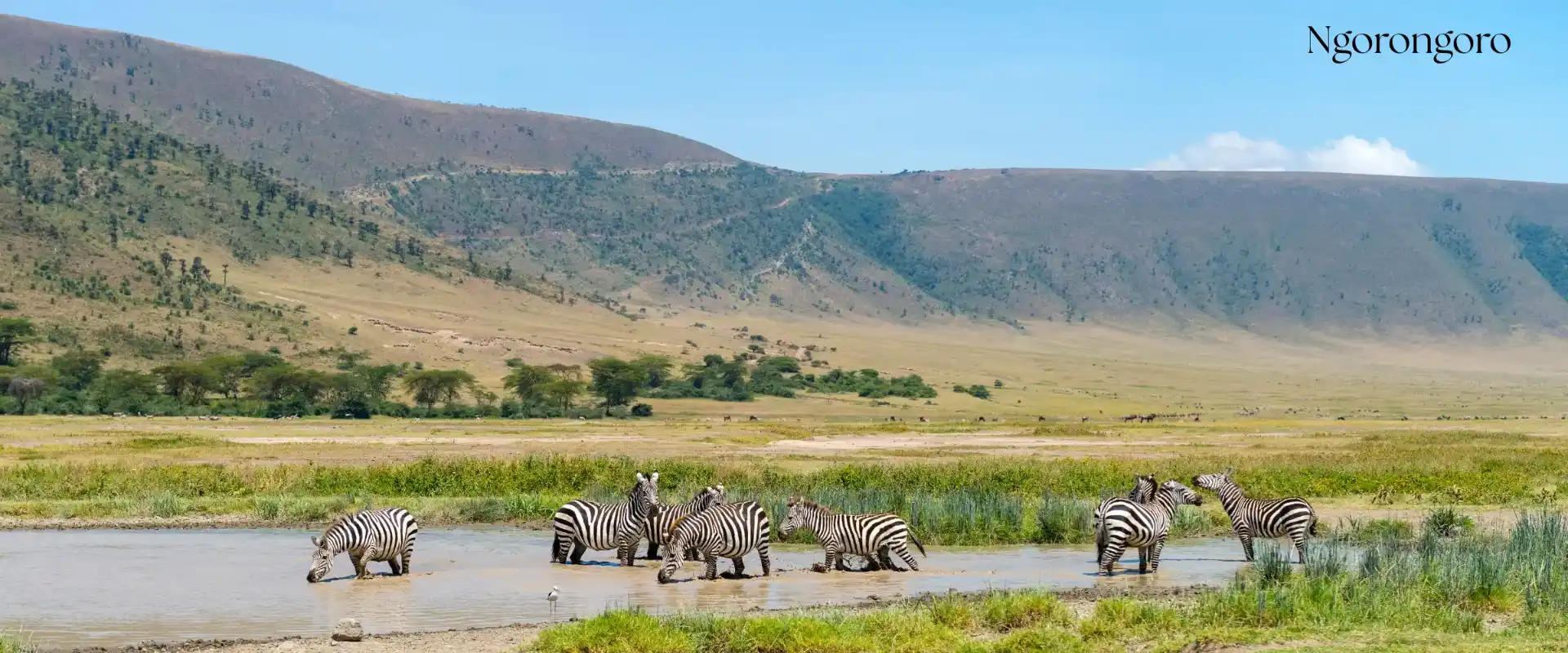
Descend into Africa's Eden - a UNESCO World Heritage Site where a volcanic caldera collapsed 3 million years ago, creating the world's largest intact crater. This natural amphitheater spans 260 square kilometers and hosts the highest concentration of wildlife in Africa, making it the best place to see the Big Five in Tanzania.
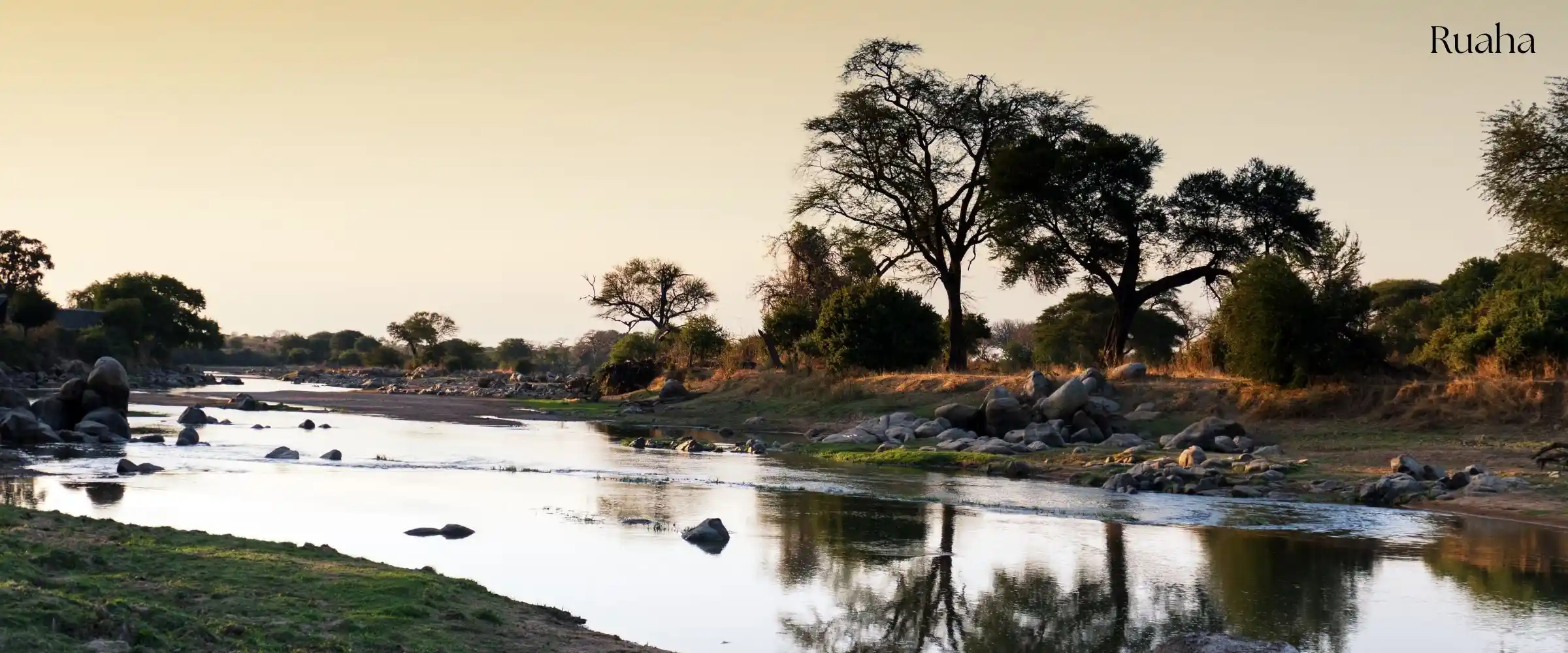
Ruaha National Park
Southern Tanzania
Explore Tanzania's largest and wildest national park, covering 20,226 square kilometers of pristine wilderness. Home to 10% of the world's lion population and the third-largest wild dog population globally, Ruaha offers exceptional predator viewing alongside massive elephant and buffalo herds in raw, uncommercial solitude.

Zanzibar Archipelago
Indian Ocean
Unwind on pristine white sand beaches where turquoise waters meet powder-soft shores. Explore UNESCO-listed Stone Town's ancient streets, discover spice plantations, and immerse yourself in centuries of Swahili culture. The Spice Island offers the perfect complement to any Tanzania safari adventure.
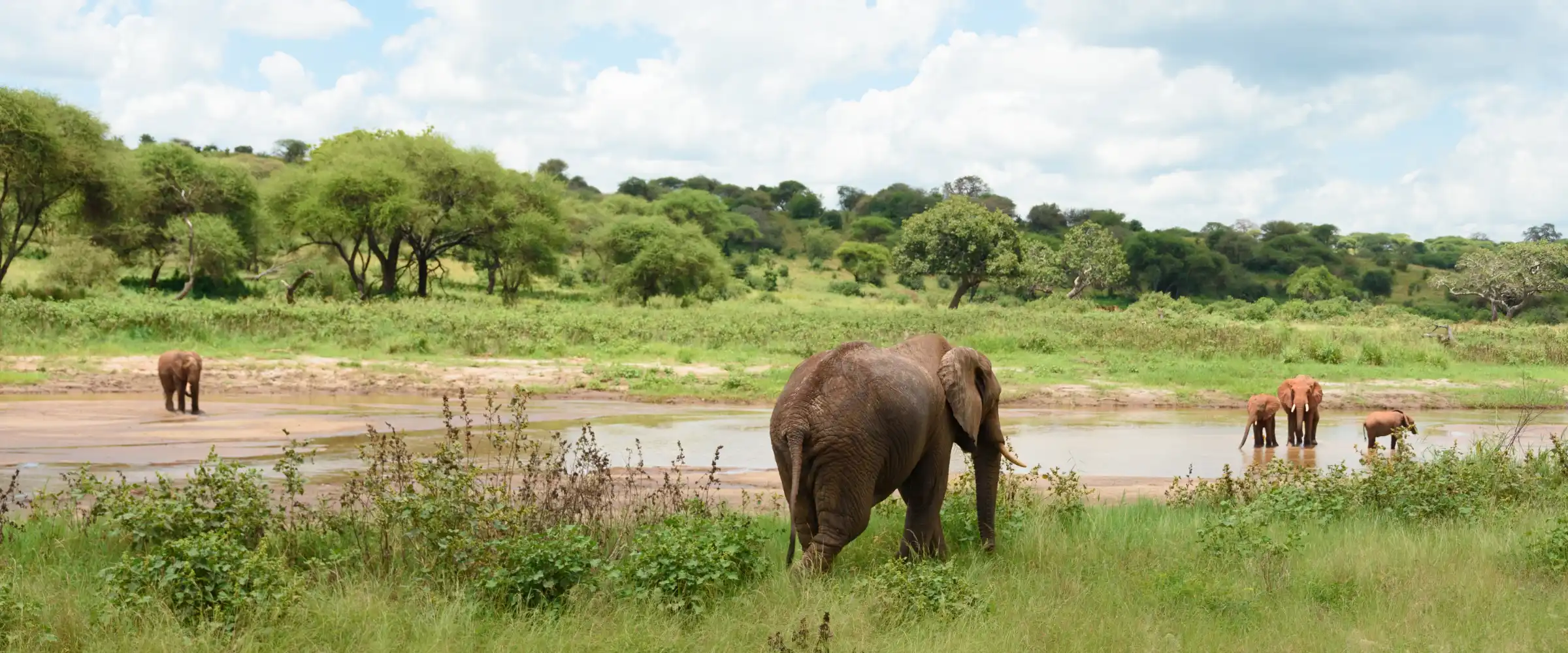
Tarangire National Park
Northern Tanzania
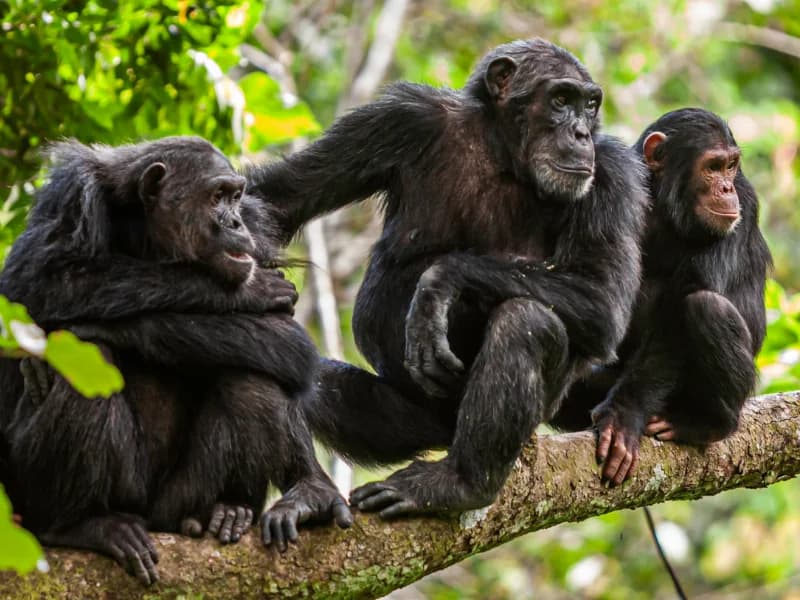
Discover Northern Tanzania's best-kept secret - a vast, uncrowded wilderness famous for spectacular elephant concentrations, ancient baobab forests, and authentic safari experiences. During peak season (July-October), up to 3,000 elephants gather along the Tarangire River, creating one of Africa's greatest wildlife spectacles.
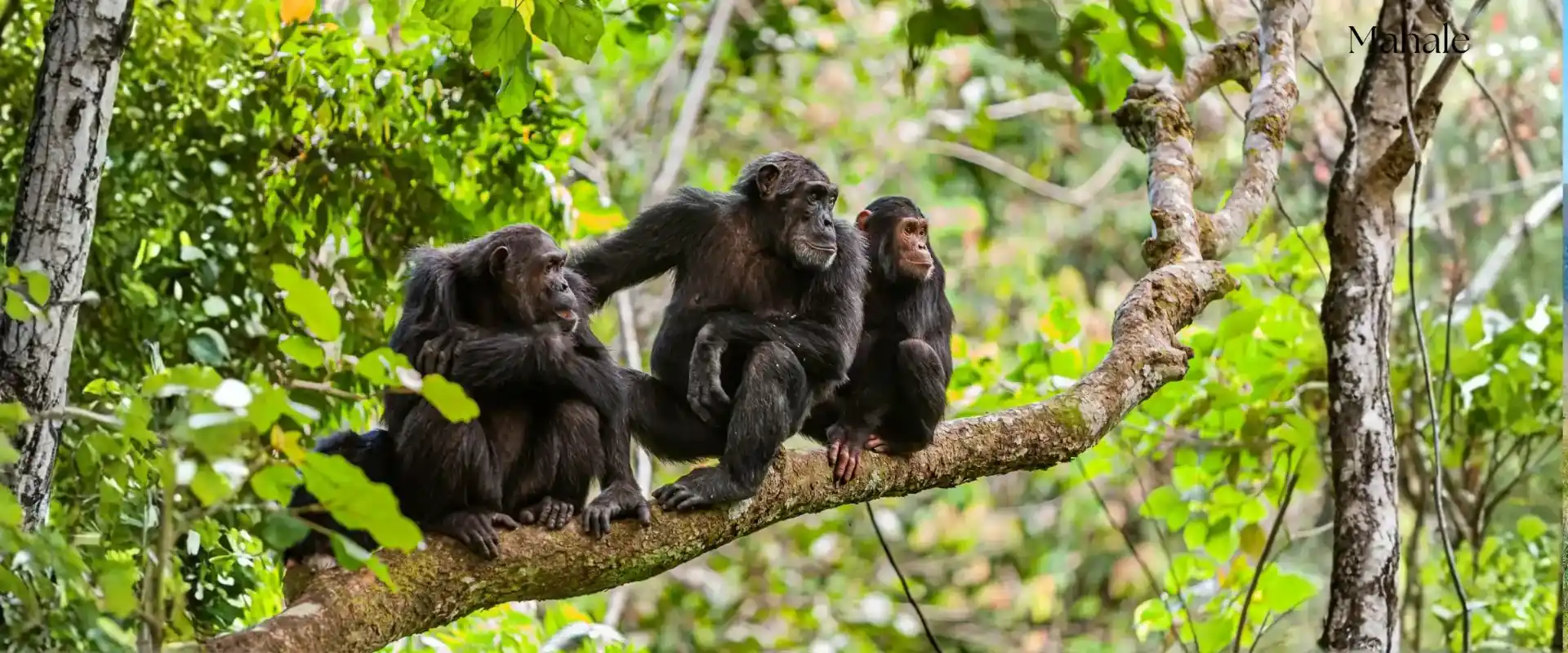
Mahale Mountains
Western Tanzania
Journey to one of Africa's most remote and spectacular wilderness areas where crystal-clear Lake Tanganyika meets pristine rainforest-clad mountains. Trek through ancient forests to encounter habituated wild chimpanzees in their natural habitat - one of the continent's most profound wildlife experiences. This is barefoot luxury meets genuine adventure.
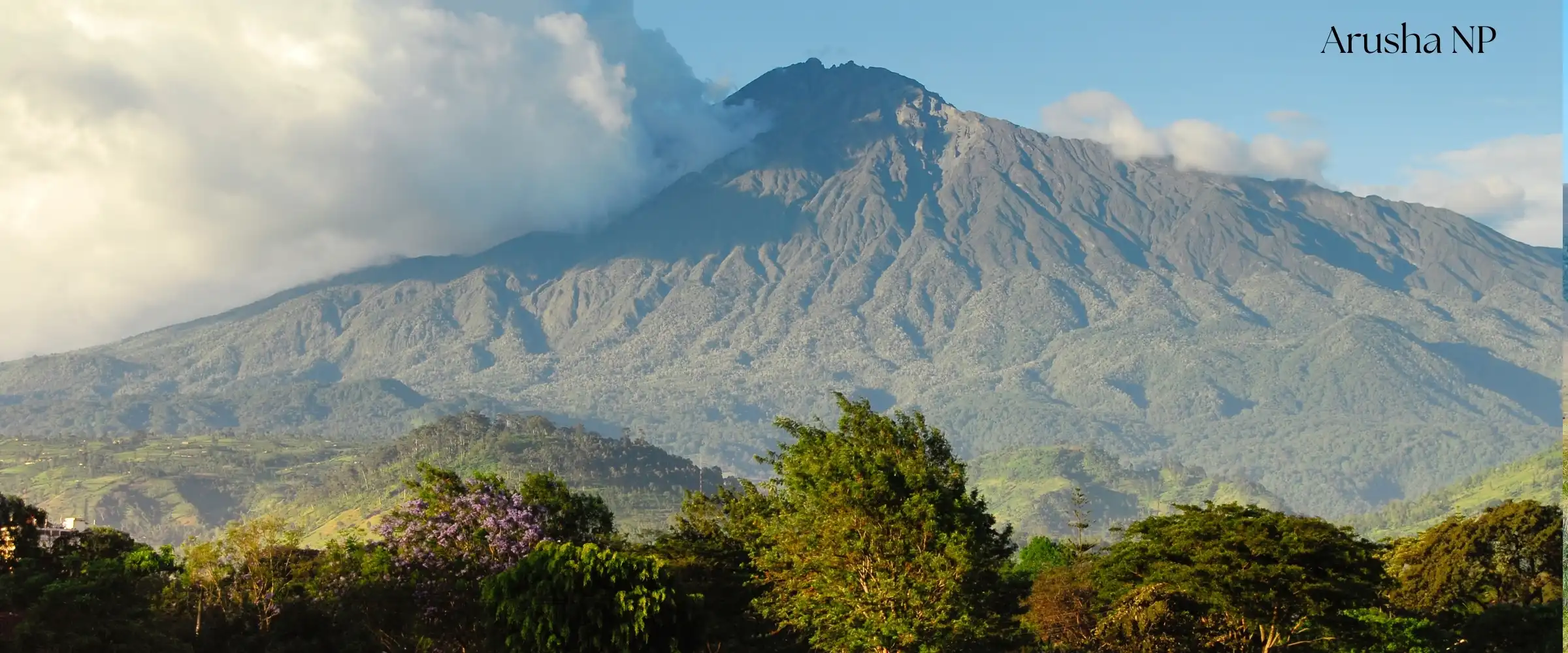
Arusha National Park
Northern Tanzania
Discover Tanzania's most accessible yet dramatically diverse national park, where Mount Meru's volcanic majesty dominates landscapes ranging from pristine montane forests to sparkling alkaline lakes. Just 45 minutes from Arusha, this compact 137 km² gem offers walking safaris, canoeing adventures, and remarkable wildlife encounters - the perfect Northern Circuit introduction or day trip.
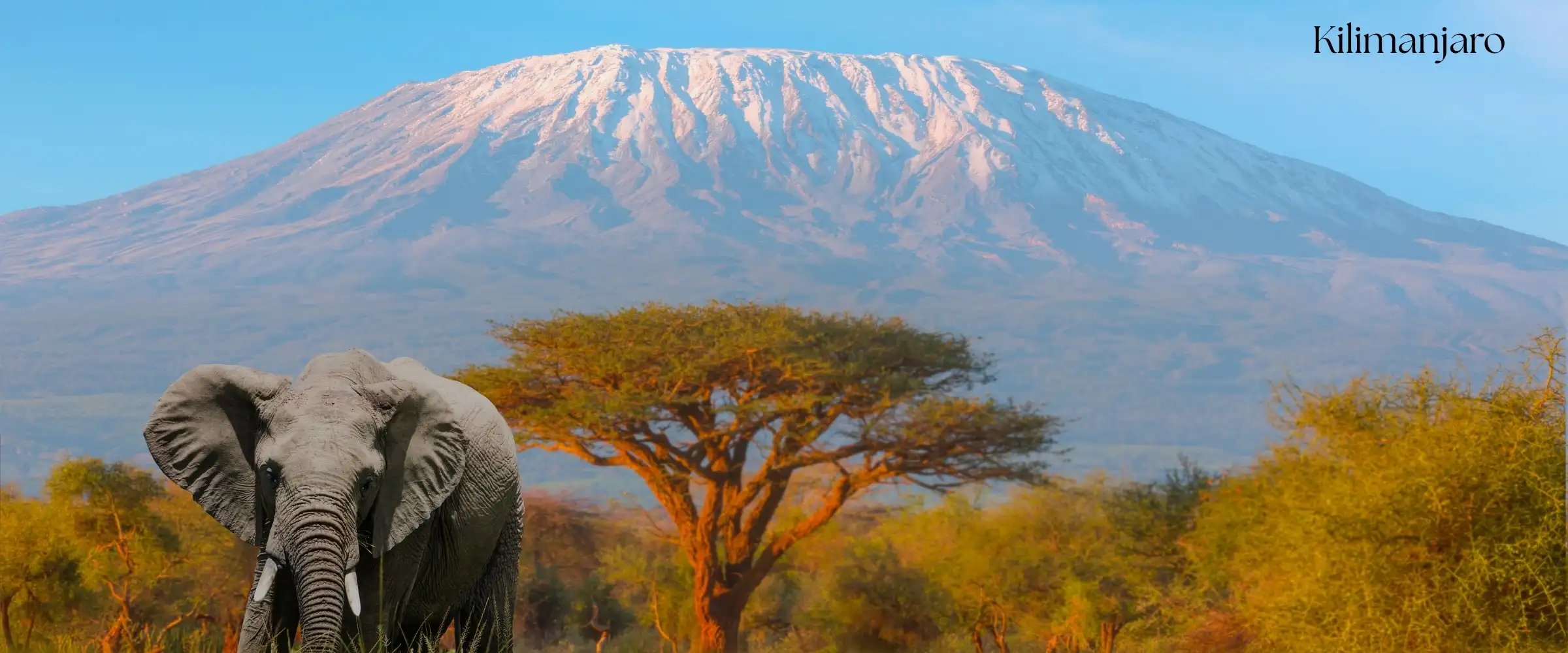
Kilimanjaro National Park
Northern Tanzania
Stand atop Africa at 5,895m on the world's highest free-standing mountain - a dormant volcano crowned with glaciers despite sitting just three degrees from the equator. Kilimanjaro requires no technical climbing skills, yet challenges 75,000+ climbers annually with high altitude and extreme conditions. From rainforest to arctic summit, this is bucket-list mountaineering at its finest.
Bwindi Impenetrable National Park
Uganda
Experience one of the world's most profound wildlife encounters in Uganda's ancient montane rainforest - home to nearly half the world's remaining mountain gorillas. Trek through dense jungle to sit within meters of habituated gorilla families, observing their remarkably human behaviors. This UNESCO World Heritage Site protects 459 gorillas across 20+ habituated families.
Queen Elizabeth National Park
Uganda
Discover Uganda's most visited savanna park, where diverse ecosystems create extraordinary wildlife density. Famous for tree-climbing lions in Ishasha, boat cruises on the Kazinga Channel teeming with hippos and elephants, and chimpanzee tracking in Kyambura Gorge. This 1,978 km² park offers classic African safari combined with unique Ugandan experiences.
Kibale National Park
Uganda
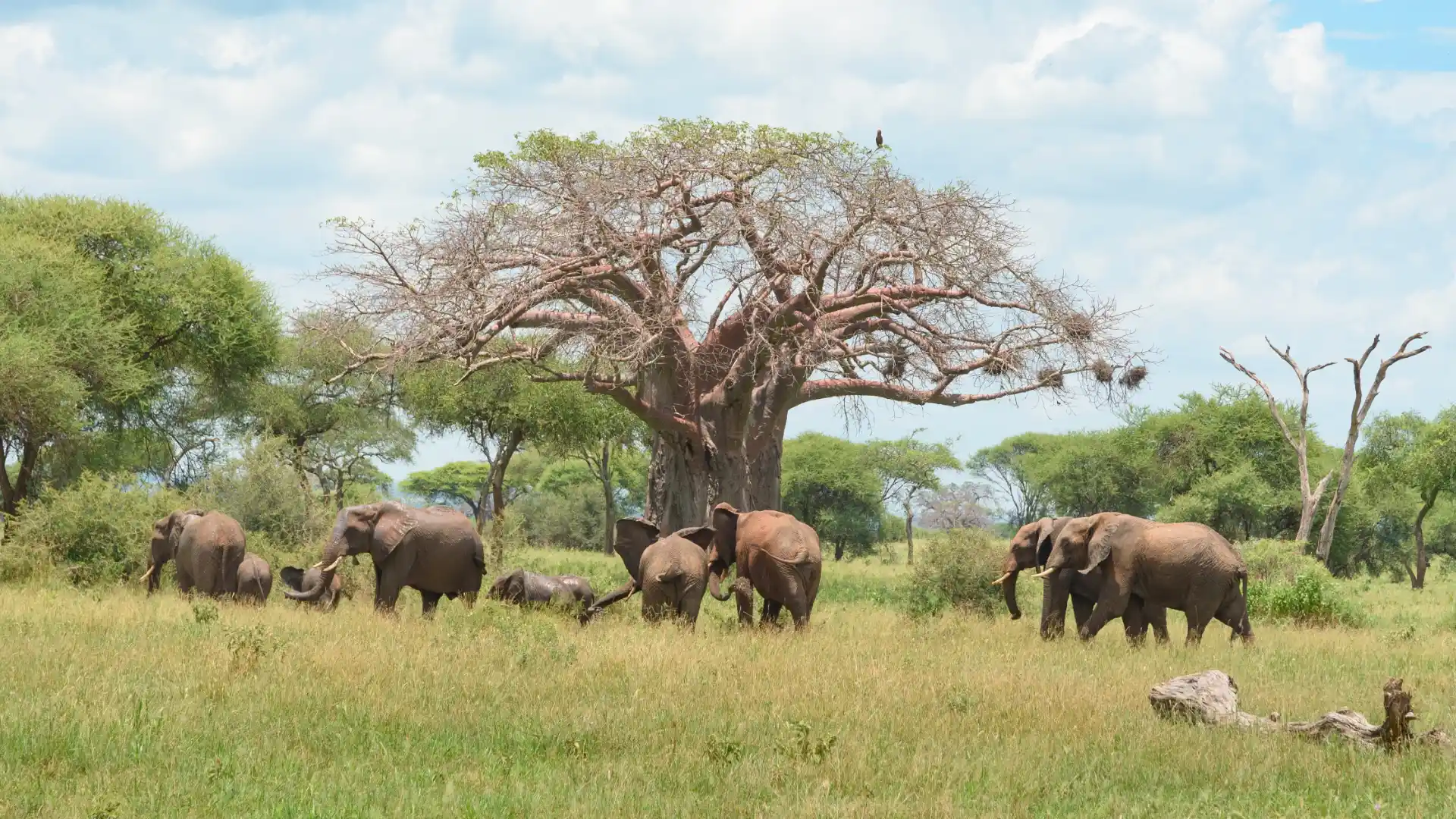
Track wild chimpanzees through the primate capital of the world - a pristine tropical rainforest harboring over 1,500 chimps and 13 primate species. Kibale offers the highest chimpanzee tracking success rates in Africa (95%+) combined with exceptional birding and forest walks.
Amboseli National Park
Kenya
Witness Africa's iconic image - massive elephant herds crossing dusty plains with snow-capped Mount Kilimanjaro rising majestically in the background. Amboseli offers the best views of Africa's highest peak from Kenya, combined with exceptional elephant encounters in this 392 km² park.
Lake Mburo National Park
Uganda
Discover Uganda's most accessible savanna park - a 370 km² gem where rolling hills, acacia woodland, and wetlands create habitat for zebras, impalas, and rare eland antelope. Lake Mburo is Uganda's only park with zebra and impala, offering boat cruises, walking safaris, horseback riding, and mountain biking.
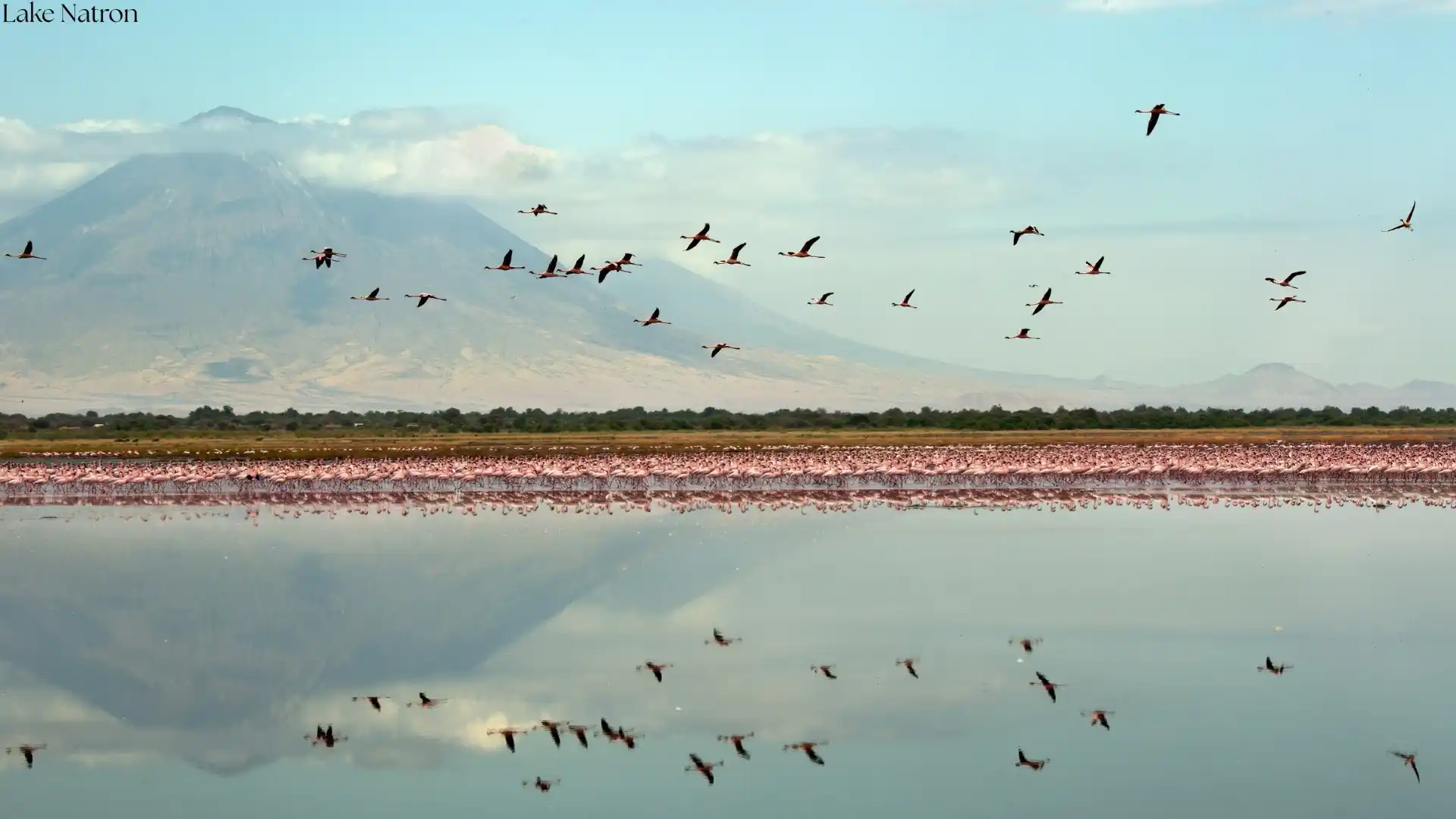
Lake Natron
Northern Tanzania
Discover Lake Natron's otherworldly red alkaline landscapes and Ol Doinyo Lengai volcano. Home to 2.5 million flamingos in remote Tanzanian wilderness.
Nyerere National Park (Selous Game Reserve)
Southern Tanzania
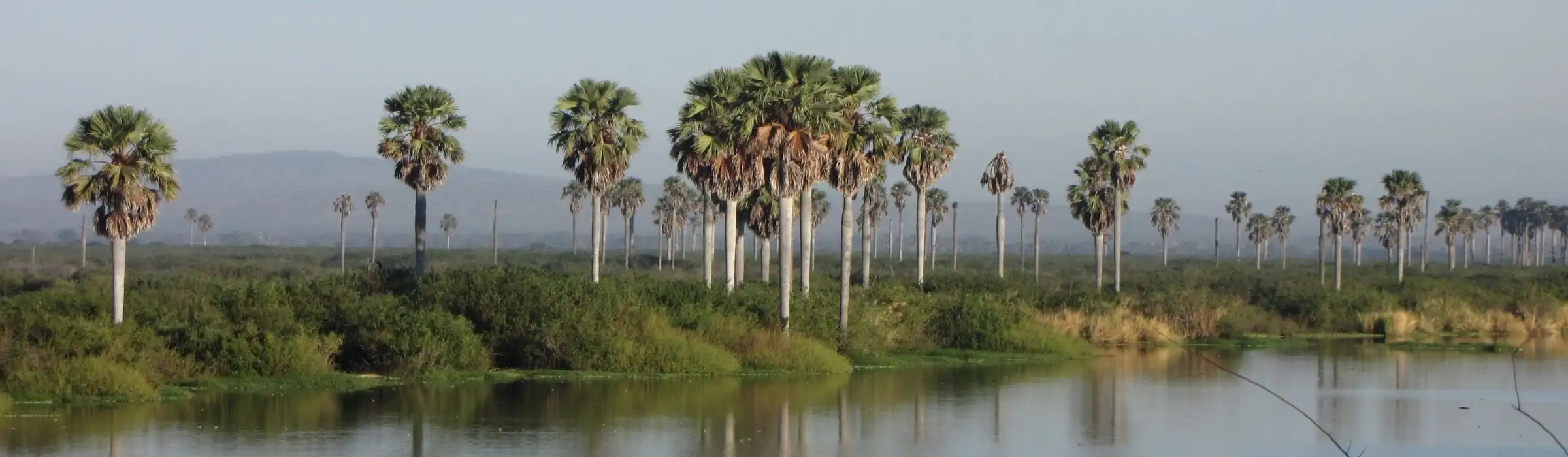
Experience Africa's largest protected wildlife sanctuary - a vast 30,893 km² wilderness where mighty rivers carve through pristine miombo woodlands and wetlands teem with hippos, crocodiles, and elephants. Formerly Selous Game Reserve, now Nyerere National Park honors Tanzania's founding father Julius Nyerere while preserving one of Earth's last great untamed wildernesses.
Pemba Island
Indian Ocean
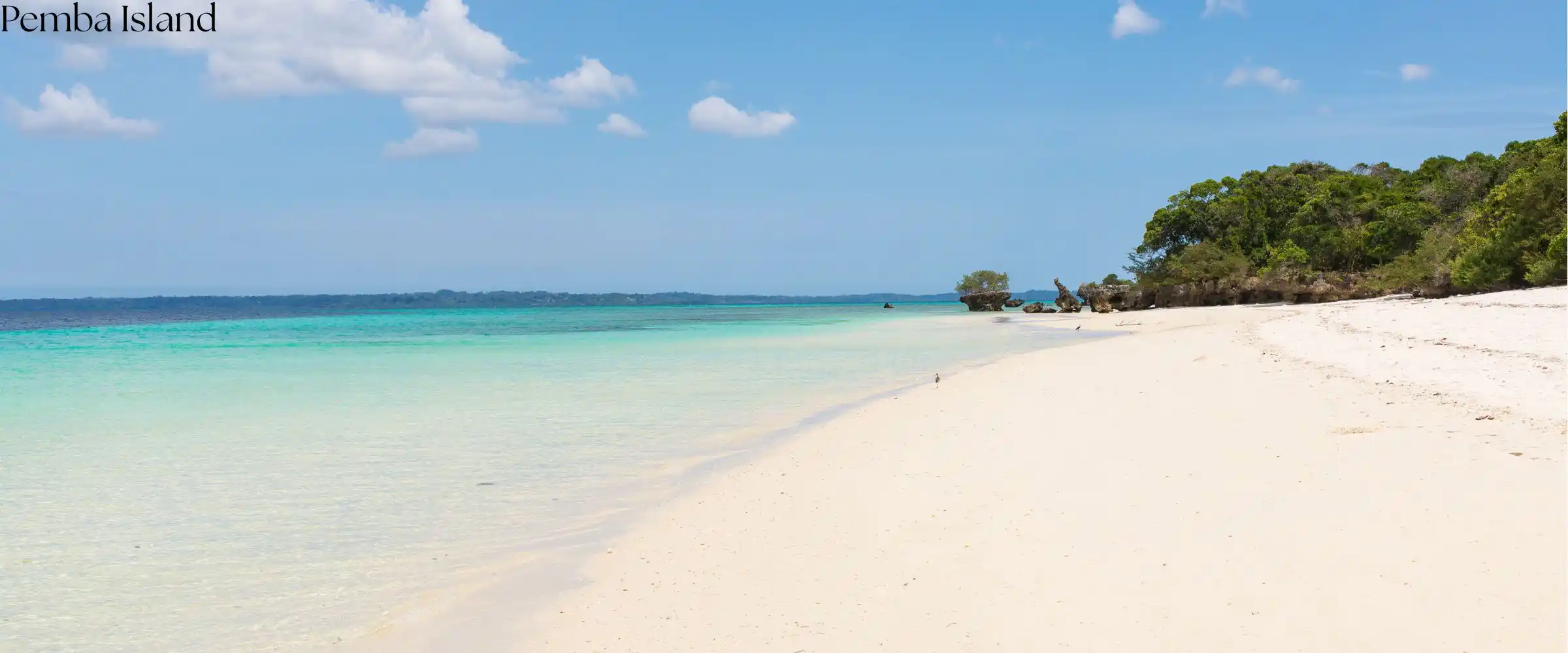
Discover Tanzania's unspoiled tropical paradise - Pemba Island, where pristine white sand beaches meet lush green hills and turquoise waters teem with dolphins and marine life. Known as 'The Green Island' for its clove plantations and mangrove forests, Pemba offers authentic Swahili culture, world-class diving and snorkeling, dolphin safaris, and the famous underwater hotel room - all in blissful seclusion with virtually no crowds.
Mafia Island
Indian Ocean
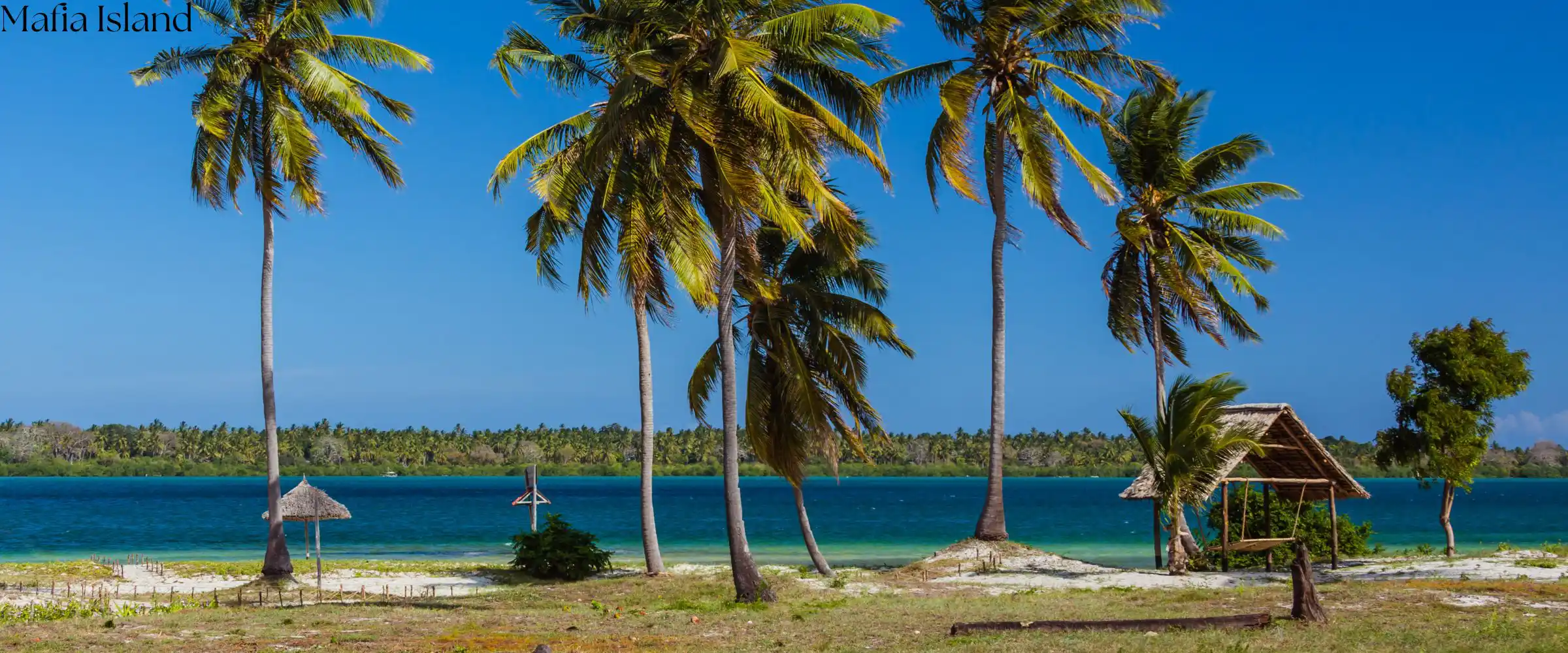
Escape to Tanzania's most tranquil island paradise - a pristine marine wonderland where ancient dhow traditions meet world-class diving, whale shark encounters, and absolute seclusion. Mafia Island Marine Park protects one of the Indian Ocean's richest coral reef ecosystems in waters virtually untouched by tourism.
When to Visit Tanzania Safari Destinations
Choose your season based on wildlife priorities and travel preferences
Dry Season (June-October)
Peak wildlife viewing season with animals concentrating around water sources. Clear skies, comfortable temperatures, and minimal rainfall create ideal safari conditions. The Great Migration's dramatic Mara River crossings occur July-October in northern Serengeti.
Green Season (November-May)
Dramatic landscapes transform with lush vegetation and newborn animals. The legendary wildebeest calving season (January-March) in southern Serengeti offers spectacular predator action with 500,000+ calves born within weeks. Significantly fewer tourists and 20-40% lower prices.
Pro Tip: Tanzania Safaris Are Excellent Year-Round
Unlike seasonal destinations, Tanzania's equatorial location and diverse ecosystems support incredible wildlife viewing every month. The "green season" often delivers the most dramatic experiences - newborn animals, predator-prey dynamics, spectacular storms, and vibrant landscapes - with significantly fewer tourists and lower costs.
Tanzania Safari Destinations - Frequently Asked Questions
Expert answers to help you plan the perfect safari
How many days do I need for a Tanzania safari?
Most visitors spend 7-10 days for a comprehensive Tanzania safari experience. This allows time to visit 3-4 national parks without rushing. A shorter 4-5 day safari can cover 2-3 destinations like Tarangire, Ngorongoro Crater, and Lake Manyara. For the full Northern Circuit experience including Serengeti, plan for at least 7 days. Adding Zanzibar beach extension requires 10-14 days total.
Which Tanzania parks should first-time visitors prioritize?
First-time safari visitors should focus on the Northern Circuit: Serengeti National Park for the Great Migration and big cats, Ngorongoro Crater for guaranteed Big Five sightings in a stunning caldera, and Tarangire National Park for massive elephant herds. This combination offers the best infrastructure, year-round accessibility, diverse wildlife, and iconic African landscapes. Most visitors spend 2-3 nights in Serengeti, 1 night at Ngorongoro, and 1-2 nights in Tarangire.
What's the difference between Northern and Southern Circuit safaris?
The Northern Circuit (Serengeti, Ngorongoro, Tarangire, Lake Manyara) offers excellent infrastructure, year-round access, the Great Migration, and receives 150,000+ annual visitors. The Southern Circuit (Ruaha, Mahale, Nyerere) provides remote wilderness experiences, just 5,000-10,000 annual visitors, exceptional predator viewing including wild dogs, and operates mainly June-November. Northern Circuit suits first-timers and families; Southern Circuit appeals to experienced safari-goers seeking authentic wilderness.
Can I combine Tanzania safari with other countries?
Yes! Popular combinations include Uganda for mountain gorilla trekking in Bwindi (2-3 days), Kenya's Masai Mara for extended migration viewing (2-3 days), and Rwanda for gorillas and golden monkeys (2-4 days). Zanzibar provides perfect beach relaxation after safari (3-7 days). Most multi-country safaris span 10-18 days total. Tanzania's Kilimanjaro International Airport offers convenient connections to Entebbe (Uganda), Nairobi (Kenya), and Kigali (Rwanda).
Should I visit multiple destinations or focus deeply on one?
For 7-10 day safaris, visiting 3-4 destinations provides the best balance of wildlife diversity and quality time in each park. Spending 2-3 nights per destination allows morning and afternoon game drives without excessive travel time. Focusing on just one destination works well for specialized trips like Serengeti migration safaris (4-5 nights) or Mahale chimpanzee trekking (3-4 nights). Avoid cramming 5+ destinations into short trips - you'll spend more time driving than viewing wildlife.
Have more questions about planning your Tanzania safari?
Contact Our Safari ExpertsReady to Plan Your Safari?
Let us create a custom itinerary tailored to your interests and travel style
Get Your Custom Quote