Quick Takeaways (5 min read)
- ▸Elephant populations stabilized after 60% decline, now recovering
- ▸Community Wildlife Management Areas (WMAs) cover 34,000+ square kilometers
- ▸Black rhino population increased from under 30 to approximately 200
- ▸Tanzania harbors 14,000 lions - nearly half of Africa's total population
- ▸GPS tracking, drones, and traditional knowledge combined for anti-poaching success
Tanzania is emerging as one of Africa's conservation success stories, with wildlife populations rebounding dramatically thanks to innovative community-led initiatives and modern technology. The numbers tell a compelling story: elephant populations have stabilized after decades of poaching, lion numbers are increasing in key ecosystems, and black rhino populations—once on the brink of local extinction—are slowly recovering. Behind these successes lies a fundamental shift in conservation philosophy: communities living alongside wildlife are now partners in protection, not obstacles to overcome.
The Community Conservation Revolution
Tanzania's Wildlife Management Areas (WMAs) represent a groundbreaking approach to conservation. These community-managed zones, covering over 34,000 square kilometers, give local villages authority over wildlife on their land while sharing tourism revenues directly. The results have been transformative. In the Loliondo Game Controlled Area adjacent to Serengeti, Maasai communities now patrol against poachers, manage sustainable livestock grazing, and earn substantial income from photographic safaris and controlled hunting. Wildlife corridors that were closing due to human settlement are reopening as communities see tangible benefits from conservation. The model works because it aligns economic incentives with wildlife protection—something traditional 'fortress conservation' never achieved.
Technology Meets Traditional Knowledge
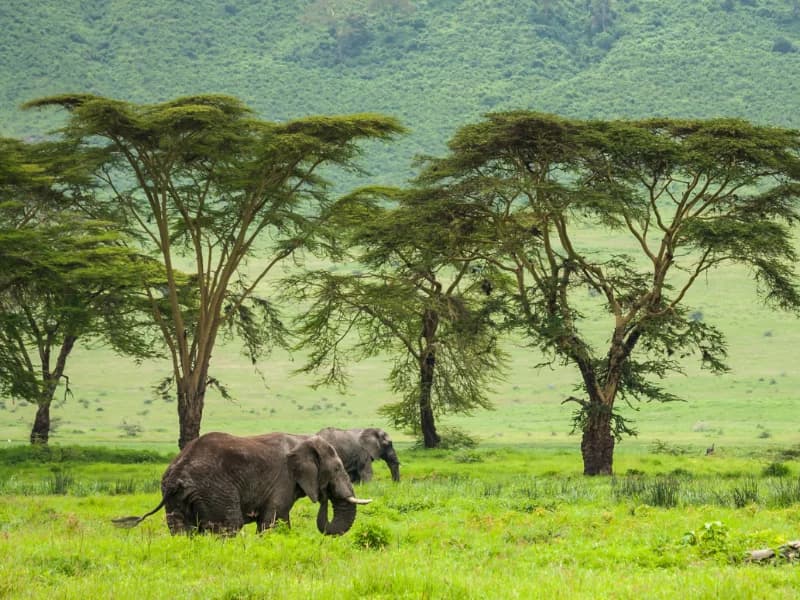
Modern conservation in Tanzania increasingly combines cutting-edge technology with indigenous ecological knowledge. Rangers now use GPS tracking collars, camera traps, and drone surveillance to monitor elephant herds and detect poaching activity in real-time. The Tanzania Wildlife Authority's control room in Arusha receives instant alerts when collared animals enter high-risk zones, allowing rapid response teams to intervene before poachers strike. Meanwhile, Maasai and other indigenous communities contribute generations of wildlife behavior knowledge, helping identify critical migration routes, water sources, and seasonal movement patterns that satellite data alone cannot reveal. This fusion of old and new has made anti-poaching efforts far more effective.
The Elephant Success Story
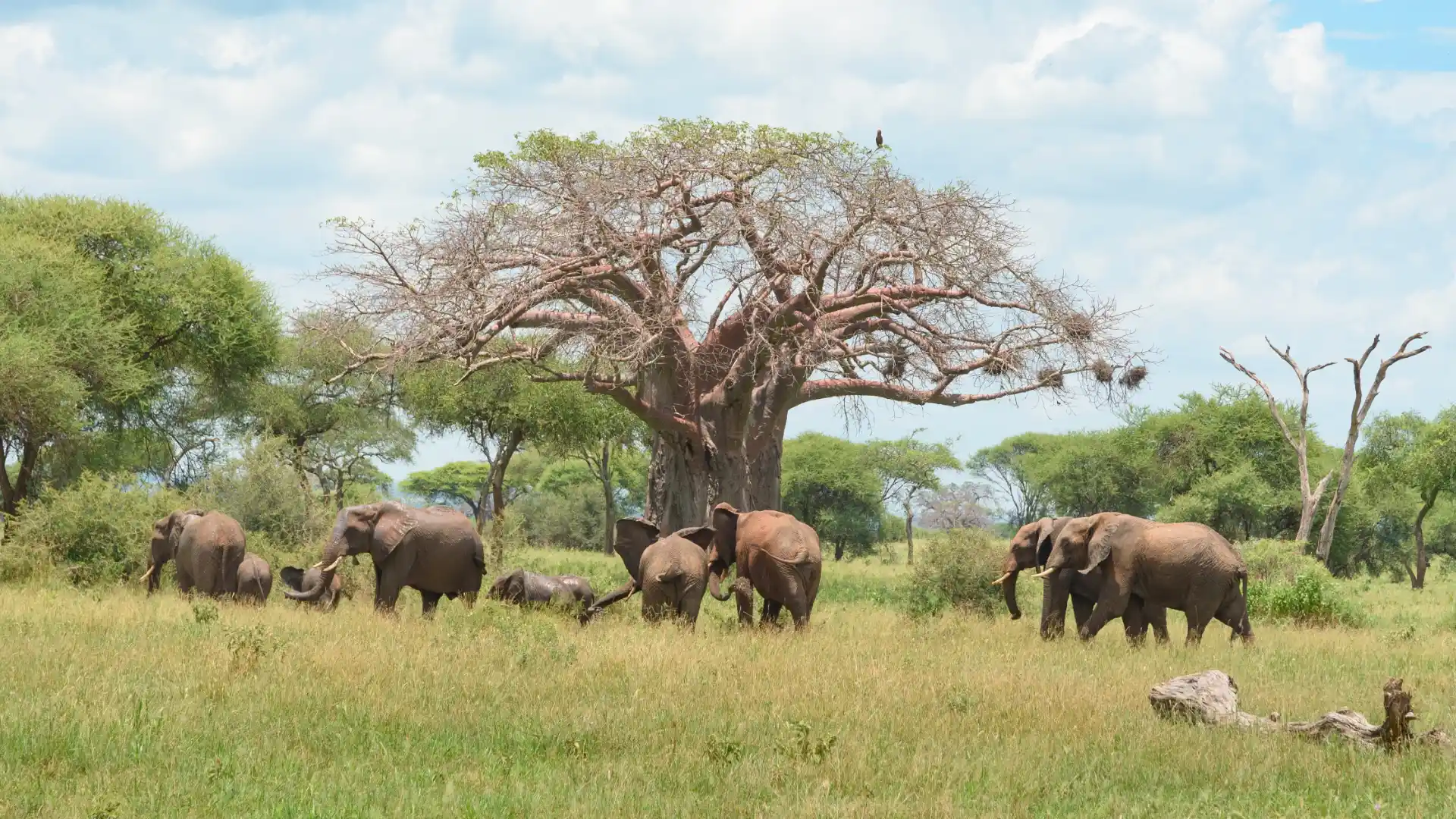
Tanzania's elephant population crashed from an estimated 110,000 in 2009 to just 43,000 by 2014—a devastating 60% decline driven by ivory poaching for Asian markets. The government's response was decisive: President John Magufuli declared war on poaching syndicates, courts handed down harsh sentences including life imprisonment for wildlife crimes, and enforcement budgets increased dramatically. By 2020, elephant numbers had stabilized and begun recovering. Aerial surveys now show young elephants in family herds—a sign populations are breeding successfully. The Selous Game Reserve (now Nyerere National Park), once a poaching hotspot, has seen elephant numbers increase by 15% since 2018. Rangers attribute success to a combination of tougher laws, better equipment, community engagement, and—critically—reduced demand from China following their 2017 ivory ban.
Black Rhino: Back from the Brink
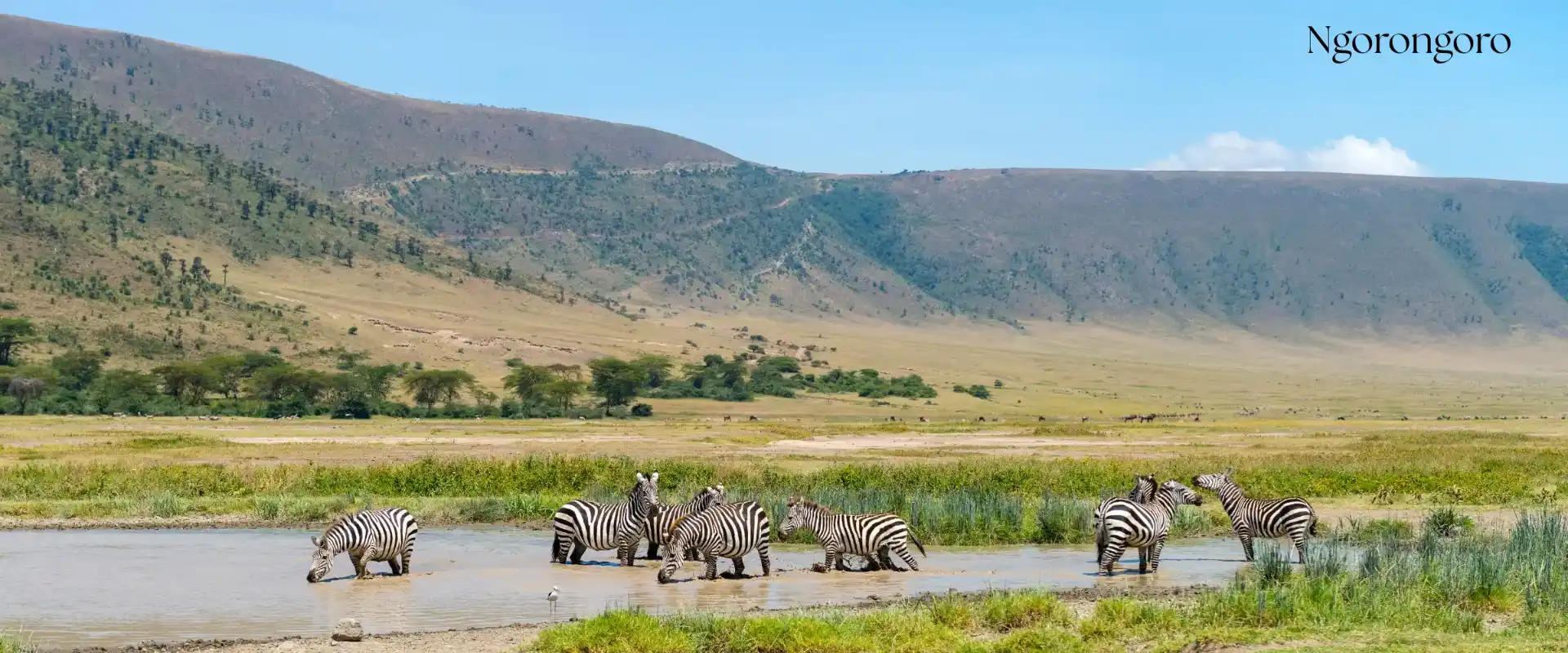
Tanzania's black rhino population was devastated by poaching in the 1970s-1990s, dropping from thousands to fewer than 30 individuals. Today, through intensive protection and breeding programs, numbers have climbed to approximately 200—still critically endangered but moving in the right direction. The Ngorongoro Crater maintains one of Tanzania's most visible rhino populations, with around 60 individuals monitored 24/7 by dedicated rhino protection units. Every rhino is individually known to rangers, and some carry tracking devices. Tourism plays a vital role: visitor fees fund protection operations, and the sight of these magnificent creatures creates powerful public support for their survival. Rhino mothers are now successfully raising calves—something rarely seen two decades ago.
Lions Return to Former Territories
Lion populations across Africa have crashed by 43% over the past 21 years, but Tanzania bucks this trend. The country now harbors Africa's largest lion population—approximately 14,000 individuals, nearly half the continent's total. Innovative programs like Lion Guardians employ Maasai warriors as conservation monitors rather than lion killers, transforming traditional adversaries into protectors. When lions approach livestock areas, warriors receive mobile alerts and herd cattle to safety rather than spearing the predators. Compensation schemes reimburse herders for verified livestock losses, removing the economic incentive for retaliation. These approaches have slashed lion killings in pilot areas by over 90%. Tourism revenue from seeing lions—each pride generates hundreds of thousands of dollars annually—provides powerful economic arguments for tolerance.
Challenges Ahead
Despite progress, threats remain. Human population growth continues encroaching on wildlife corridors, climate change is altering rainfall patterns and habitat, and wildlife crime syndicates adapt to enforcement efforts. The COVID-19 pandemic demonstrated conservation's financial vulnerability: when tourism revenues vanished overnight, anti-poaching patrols faced budget cuts just as desperate poachers increased activity. Tanzania's conservation model—heavily reliant on tourism funding—needs diversification and more sustainable financing mechanisms. International support remains crucial, yet must be channeled through Tanzanian institutions and communities rather than creating parallel systems.
The Tourism Connection
For safari visitors, these conservation successes create richer experiences. The return of healthy wildlife populations means better game viewing, more natural animal behavior (less stressed populations), and the knowledge that your visit directly supports conservation. Every park fee, lodge night, and guided walk contributes to the economic case for wildlife protection. At Porcupine Tours, we ensure our itineraries support community conservation initiatives, employ local guides, and channel tourism benefits to villages living alongside wildlife. When you photograph elephants in Tarangire or watch lions in the Serengeti, you're witnessing conservation success funded partly by travelers like yourself. That's a legacy worth supporting.
Written by Porcupine Tours — Your local Tanzania safari experts
Get in touch to plan your safari